Osaka eSIM
Osaka is Japan's kitchen: brasher, friendlier, and hungrier than Tokyo, with neon canals of street food and a castle in the middle of it all. It is also the perfect base for the Kansai region. Here is how to stay online in Osaka, and eat your way through it.
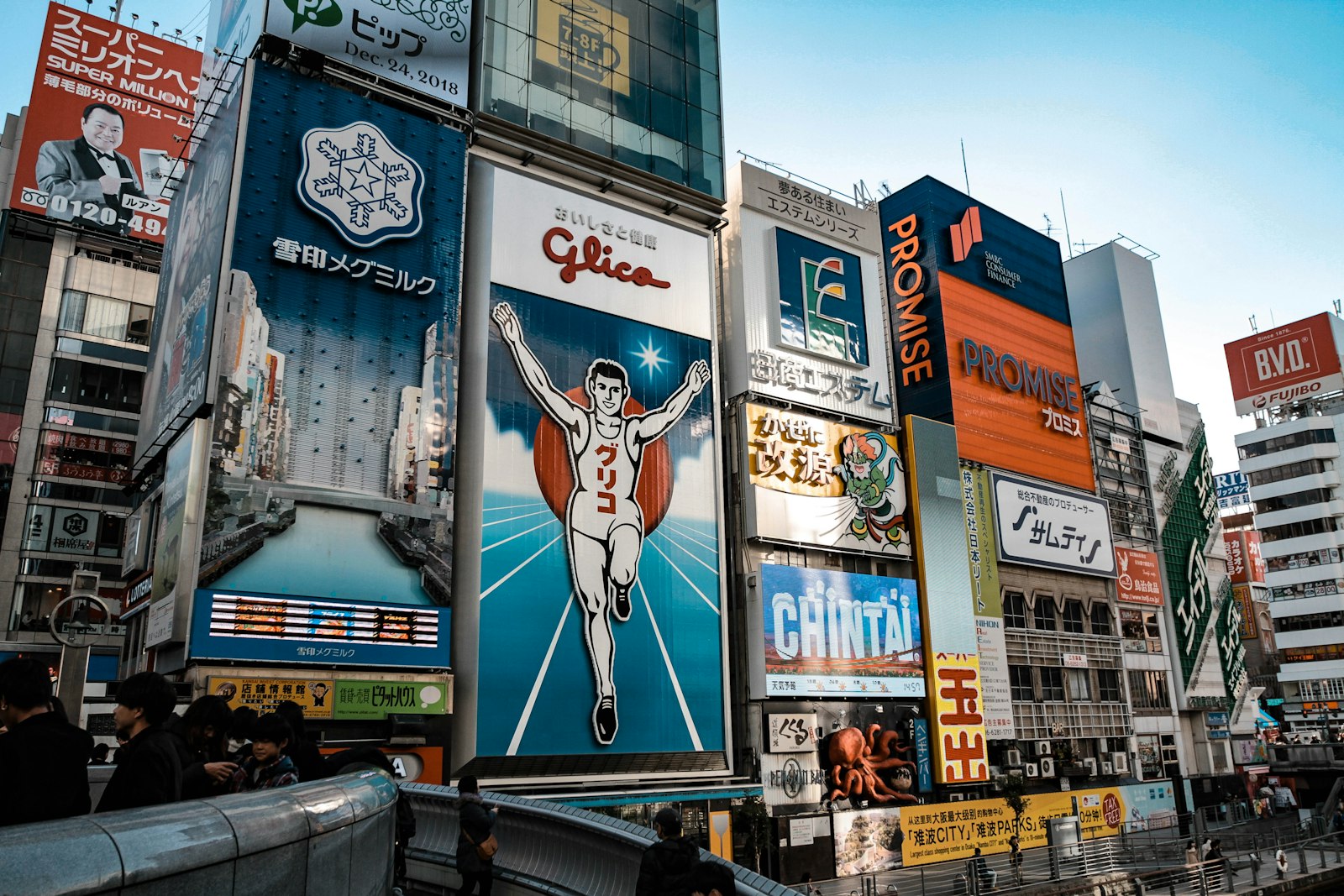
Yes. A Japan eSIM installed before you fly is online the moment you land at Kansai, with fast 4G and 5G across the city. And because it covers the whole country, the same line works on day trips to Kyoto, Nara, and Kobe. Japan is not in any roam-free zone, so an eSIM gives a clear price with no ID. For a week of eating and exploring, around 5 to 10 GB is comfortable.
Staying online in Japan's kitchen
Osaka is loud, warm, and food-obsessed, the down-to-earth counterpoint to Tokyo, where the joy is in eating your way down a canal of neon. A live connection is how you navigate the feast: finding the best takoyaki stall, translating a hand-written okonomiyaki menu, tapping through the metro, and hopping to Kyoto or Nara on a whim, all on one eSIM.
How to get connected in Osaka
Coverage in Osaka is superb. You get fast 4G and 5G across the city, deep in the metro, and at the airports, on Japan's networks NTT Docomo, au by KDDI, and SoftBank. A travel eSIM roams onto them automatically. Signal is reliable everywhere, and it stays with you on the trains out to the rest of Kansai.
Choose a Japan eSIM and pay in crypto, with no card and no ID.
Scan the QR from your dashboard before you leave home.
It activates at Kansai (KIX), ready for the train to Namba or Umeda.
Kuidaore: eating your way through Osaka
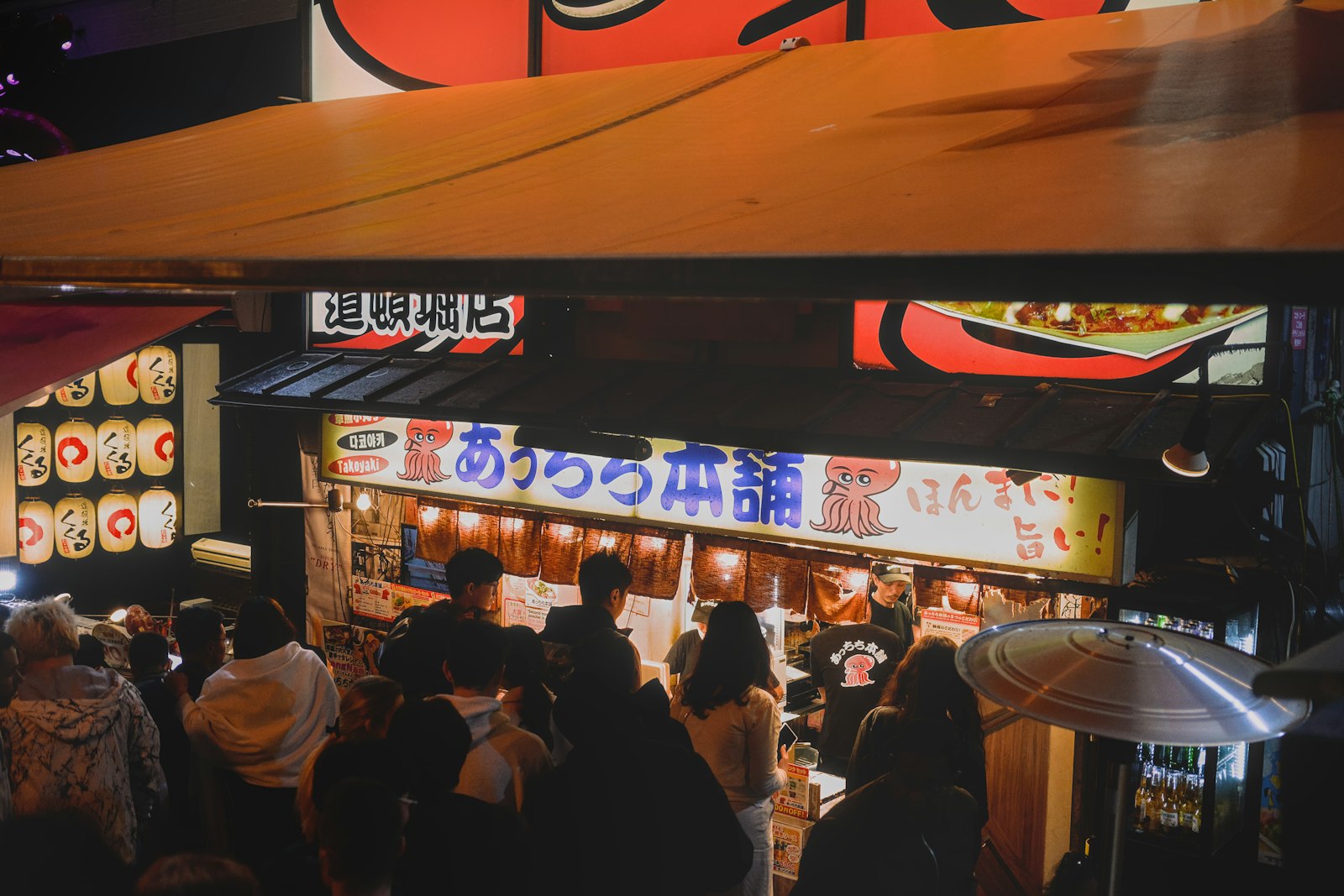
Osaka has a word for its philosophy: kuidaore, roughly, eat until you drop (or go broke). This is the street-food capital of Japan, and the ritual is to graze your way through Dotonbori and the Kuromon Ichiba market: takoyaki (octopus balls), okonomiyaki (savoury pancakes), and kushikatsu (fried skewers), eaten standing up, elbow to elbow.
A connected phone is the ideal dining companion here. Camera translation turns a wall of handwritten Japanese into something you can order, maps and reviews steer you to the stall with the queue, and, when your card is not accepted, it reminds you Japan still loves cash. Come hungry, and let the city feed you.
Neighbourhoods to know in Osaka
South for the buzz, north for the transport; here is the split.
Namba & Dotonbori (Minami)
The neon, food, and nightlife heart of the south. Central, thrilling, and the classic first-timer base.
Umeda (Kita)
The northern hub around Osaka Station: skyscrapers, department stores, and the best transport links, including to the airport.
Shinsekai
Retro, gritty, and delicious, famous for kushikatsu and the Tsutenkaku tower. Cheap and full of old-Osaka character.
Osaka Bay
By the water, home to the aquarium and Universal Studios Japan, a little out but family-friendly.
Easy day trips from Osaka
One Japan eSIM covers the whole Kansai region, so the same line keeps working on the short trains to its treasures. Three unmissable ones:
Temples, shrines, and geisha districts, just 15 minutes away by shinkansen.
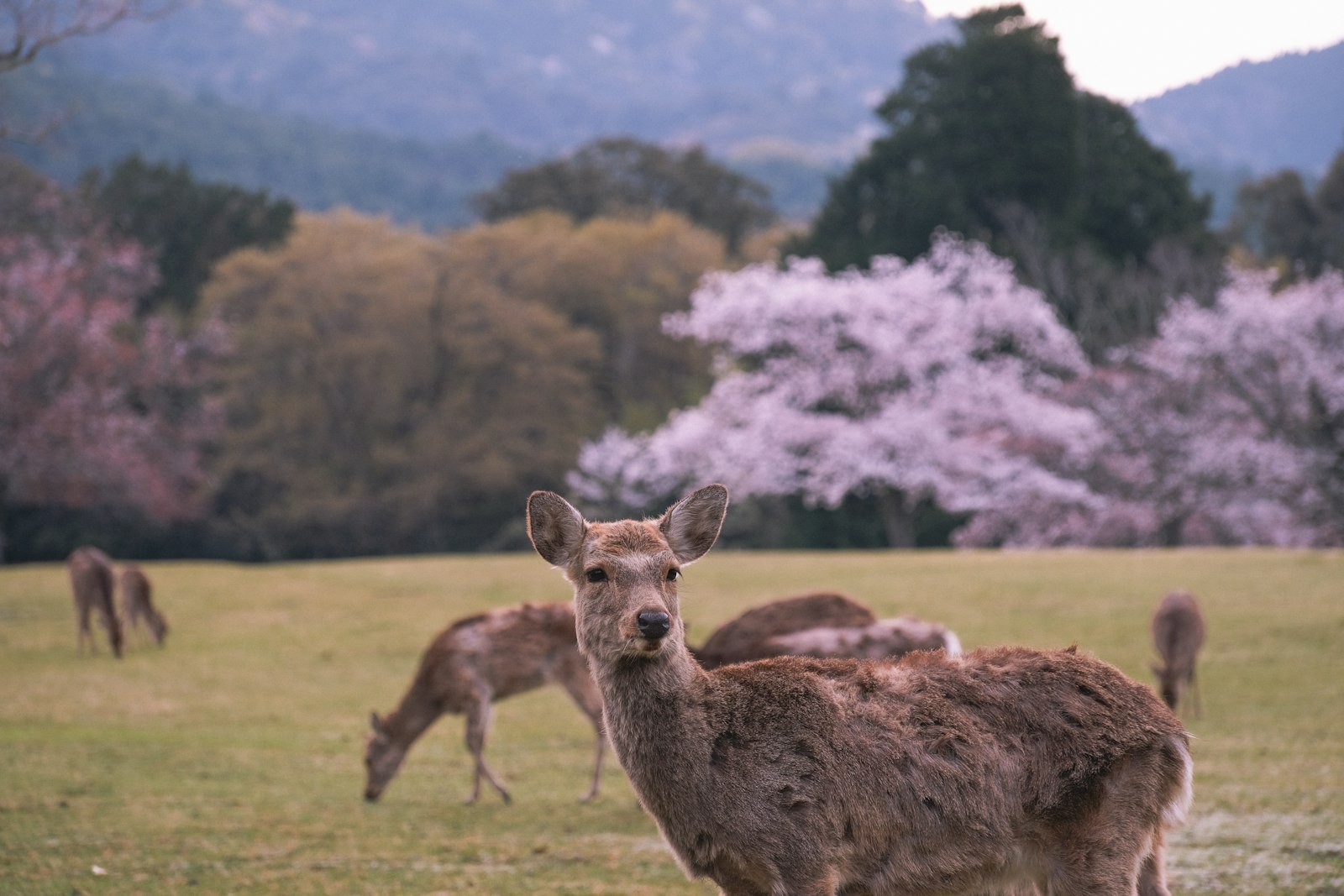
Bowing wild deer and the great bronze Buddha of Todaiji, about 45 minutes out.
Famous beef in Kobe, or Japan's finest castle at Himeji, both a short hop.
Getting around Osaka
The subway and JR loop line cover the city, and one ICOCA card (or a contactless tap) gets you on everything, plus the trains across Kansai. Google Maps and the transit apps route you door to door in English, which is exactly why a live connection matters when the network is dense and the signs are in kanji.
Practical tips
On escalators Osaka stands right and walks left, the opposite of Tokyo. A local quirk.
Cards are spreading, but many street stalls and small places are still cash-only.
Grazing on your feet at a stall is the whole point. Slurping is fine, tipping is not.
Best time to visit Osaka
Spring, Mar-May
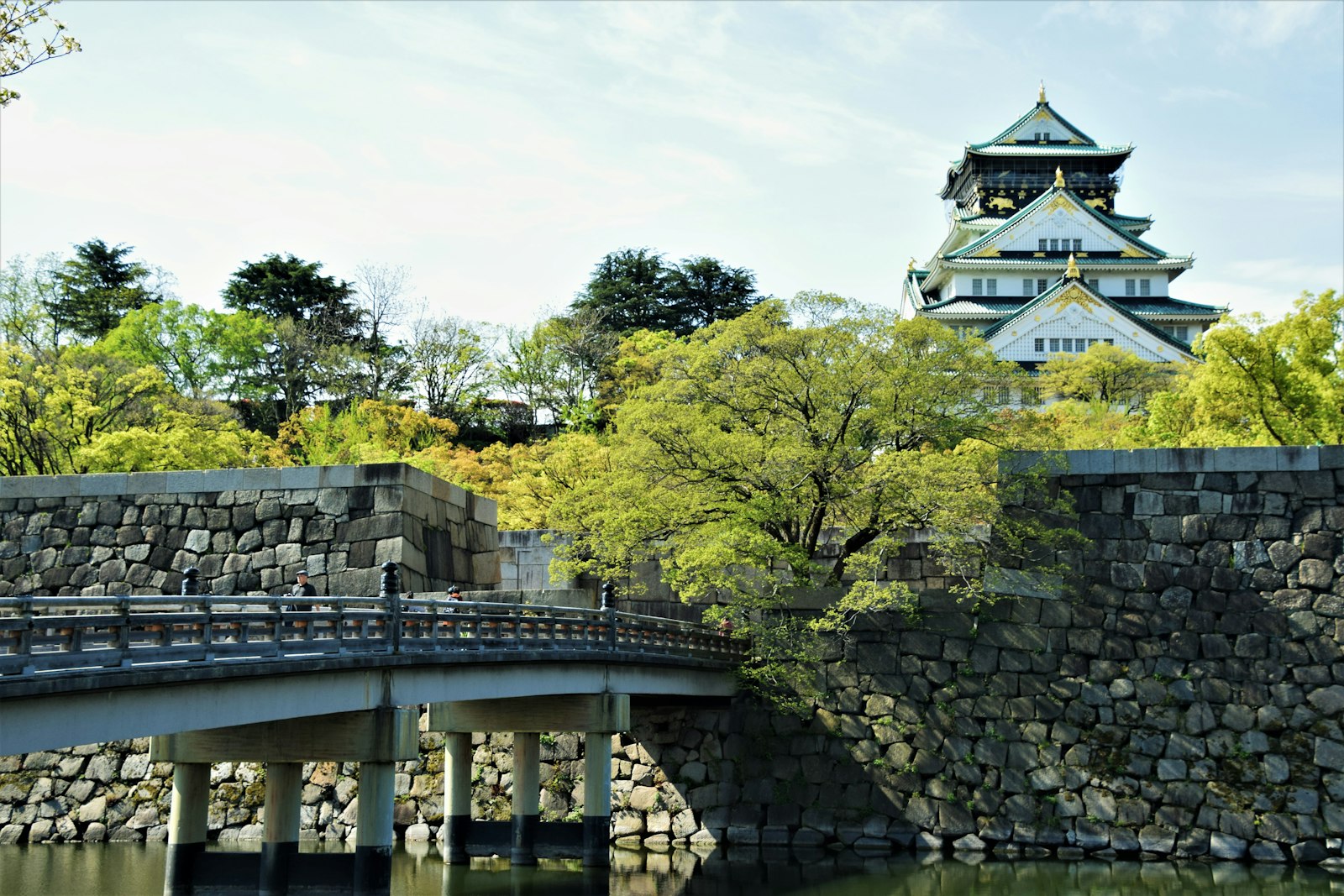
Cherry blossom and mild days, beautiful at Osaka Castle. The prettiest, busiest season.
Summer, Jun-Aug
Hot and humid, rainy in June, but with lively festivals like Tenjin Matsuri.
Autumn, Sep-Nov
Cool, clear, and golden with autumn leaves. The other ideal window.
Winter, Dec-Feb
Cold but crisp and quieter, and prime season for hot street food and hotpot.
Why travellers choose SimVala
4.8from 39,452 verified reviews“Used the data plan for Google Maps and messages during a trip. Did exactly what I needed.”
“Got a number for business use. The activation was quick and I didn't have to contact support.”
“I was in Europe for two weeks and used the eSIM instead of roaming with my Canadian SIM. Much simpler.”
“Landed in Italy late at night and didn't want to find a shop. Had the eSIM ready already.”
“Needed a separate number for a few weeks. The whole process was quite simple.”
“Used the VoIP service for work calls. Took a little time to get everything set up, but works well now.”
“Bought it for a weekend in Albania. Installed it before leaving Zagreb and had no problems.”
“I mainly use it for data when travelling. So far the service has been reliable.”
“Didn't want another physical SIM. The QR setup was quick and I was connected pretty much immediately.”
Osaka eSIM & travel FAQ
Does an eSIM work in Osaka?+
Yes. A Japan eSIM roams onto the local networks (NTT Docomo, au, SoftBank) and gives you fast 4G and 5G across Osaka, the metro, and Kansai airport. It activates the moment you land.
Will my Japan eSIM work in Kyoto and Nara too?+
Yes. A Japan eSIM covers the whole country, so the same line works on day trips from Osaka to Kyoto, Nara, Kobe, and Himeji, and everywhere in between.
How much data do I need in Osaka?+
For a week of maps, translation, transit, and messaging, 5 to 10 GB is comfortable. Heavy use across day trips runs higher, and you can top up any time.
Will my eSIM work at Kansai airport?+
Yes. It activates at Kansai (KIX) and at Itami (ITM), so you are online for the train into Namba or Umeda the moment you land.
Is there signal on the Osaka metro?+
Yes, excellent signal throughout the subway and JR lines, including underground, so maps and translation keep working as you move.
Do I need Japanese to eat in Osaka?+
No. With a live connection, camera translation handles handwritten menus and transit apps route you in English, which makes the street-food adventure far easier.
When is the best time to visit Osaka?+
Spring (March to May) for cherry blossom and autumn (September to November) for foliage are the two ideal windows. Summer is hot and festive; winter is cold and quieter.
Is Osaka safe for travellers?+
Osaka is very safe, like the rest of Japan, with very low crime. Normal common sense is more than enough.
Ready for Osaka?
Install a Japan eSIM before you fly and land already online, paid in crypto with no ID.