Reykjavik eSIM
Reykjavik is the world's northernmost capital and the launchpad for Iceland's wonders: waterfalls, volcanoes, hot springs, and the Northern Lights. The real trip happens out on the Ring Road, where a connected phone becomes a genuine safety tool. Here is how to stay online in Reykjavik and beyond.
Yes. An Iceland eSIM installed before you fly is online the moment you land at Keflavik, with fast 4G and 5G in Reykjavik and along the main roads. If you are visiting from an EU or EEA country, your home plan already roams here at no extra cost (Iceland is in the EEA). For others, an eSIM gives a clear price with no ID, and it doubles as an aurora-and-road-conditions tool. For a week, around 6 to 10 GB is comfortable.
Staying online in the land of fire and ice
Reykjavik is small, colourful, and effortlessly cool, a walkable capital of street art, geothermal pools, and long light or long dark depending on the season. A live connection matters here more for what lies beyond it: the waterfalls of the Golden Circle, the black beaches of the south, and the aurora overhead, all of which reward real-time forecasts and maps.
How to get connected in Reykjavik
Coverage in and around Reykjavik is excellent, and it reaches along the main Ring Road (Route 1) and the populated coast, on the Icelandic networks Siminn, Vodafone, and Nova. A travel eSIM roams onto them automatically. The catch is the interior: signal thins or vanishes in the uninhabited highlands, which we cover just below.
Choose an Iceland eSIM and pay in crypto, with no card and no ID.
Scan the QR from your dashboard before you leave home.
It activates at Keflavik (KEF), ready for the Flybus or your rental car.
Chasing the aurora and driving the Ring Road
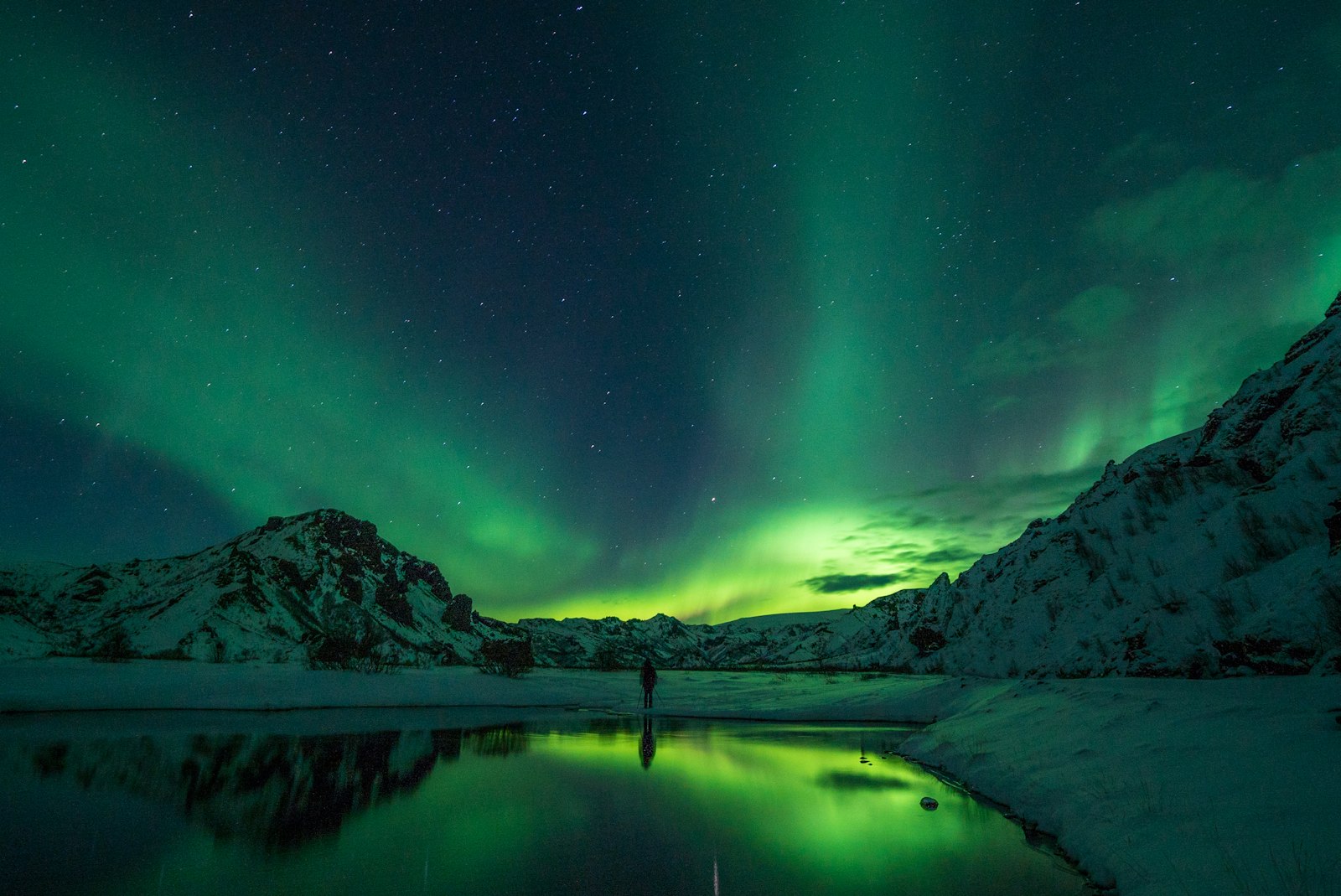
Iceland is a place where being online is practical, even a safety measure. Along Route 1 and the popular sights, coverage is good, so you can pull the live aurora forecast (the Icelandic Met Office rates cloud cover and activity), check road.is and safetravel.is for conditions and closures, and navigate to the next waterfall. In winter especially, that information is genuinely useful, not just convenient.
Two honest caveats. First, the interior highlands (the F-roads, open only in summer) have little to no signal, so download offline maps and tell someone your plan before heading in. Second, the weather turns fast, so check forecasts often. With an eSIM live across the inhabited routes, you have the aurora odds, the road status, and your maps in your pocket, which is exactly what an Iceland trip calls for.
Where to base yourself in Reykjavik
The city is tiny, so anywhere central puts you minutes from everything.
Laugavegur & 101
The main street and the downtown 101 district: bars, restaurants, shops, and nightlife. The lively, walkable heart.
Old Harbour & Grandi
The revamped waterfront: whale-watching tours, food halls, and museums, a short stroll from downtown.
Skolavordustigur
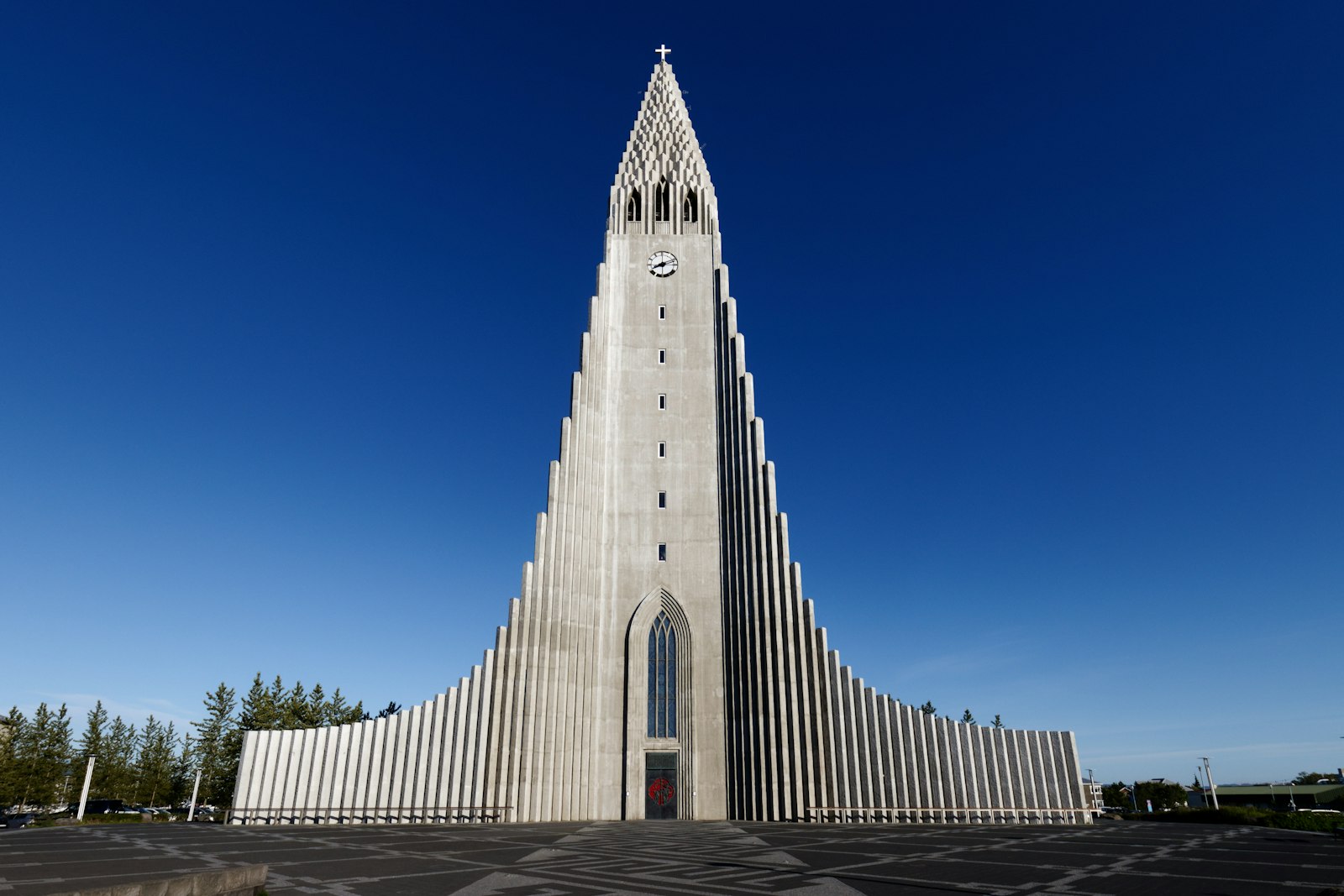
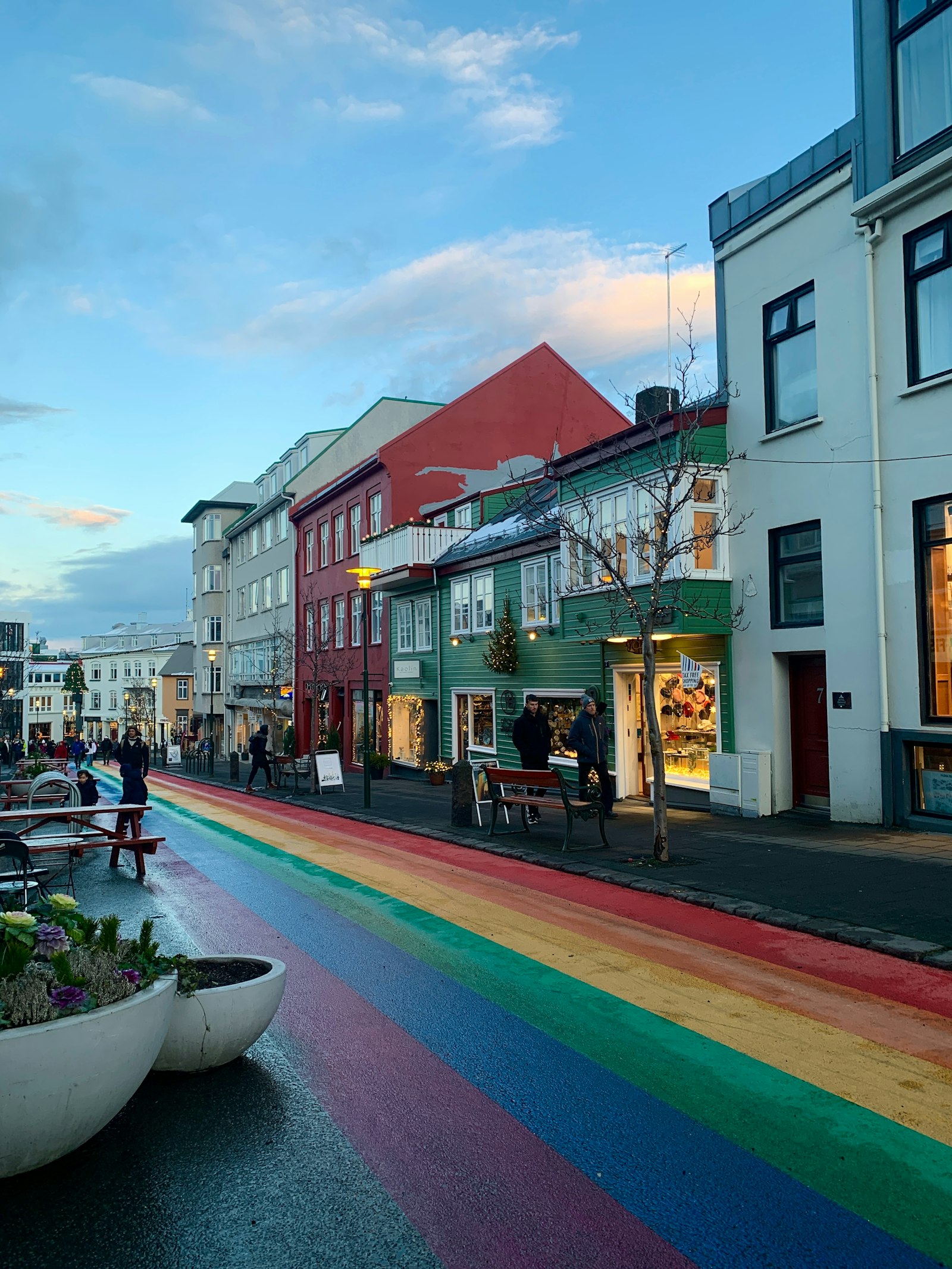
The pretty rainbow street climbing to Hallgrimskirkja, lined with design shops and cafes. Central and photogenic.
Laugardalur
Greener and quieter east of the centre, home to the big geothermal pool and botanic garden. A calmer, local base.
Easy day trips from Reykjavik
An Iceland eSIM works across the inhabited country, so it keeps going on the classic self-drive loops, though signal fades in the highlands, so download maps first. Three favourites:
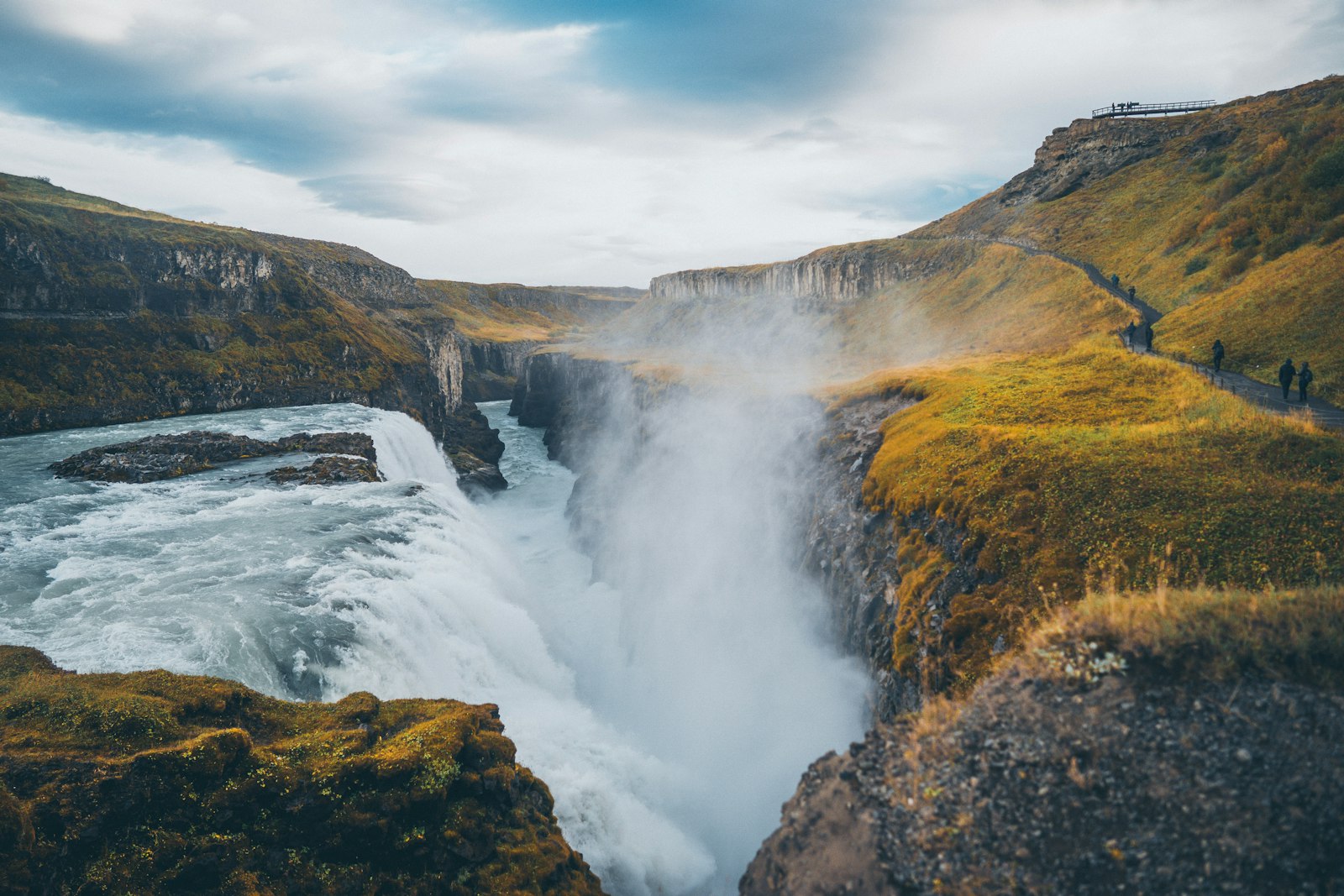
Thingvellir, the Geysir hot springs, and Gullfoss waterfall in one easy loop.
The famous geothermal spa, handily near the airport for arrival or departure.
Black-sand beaches and roadside waterfalls like Seljalandsfoss and Skogafoss.
Getting around Reykjavik and Iceland
Reykjavik itself is walkable, with local buses (Straeto) for longer hops, and there are no trains. For the real Iceland, most visitors rent a car and drive the Ring Road or day loops, or join guided tours. Either way, a live connection is your co-pilot: navigation, live weather and road conditions, and the aurora forecast when the sky goes dark.
Practical tips
Iceland is almost entirely card-based; you can travel the whole trip without cash.
The weather changes hourly; layers and waterproofs are essential year round.
Geothermal pool etiquette is strict: a thorough soap-and-shower first, no swimsuit.
Best time to visit Reykjavik
Aurora, Sep-Mar
Dark nights for the Northern Lights, cold and often snowy. Magical, if you dress for it.
Summer, Jun-Aug
The midnight sun, green landscapes, and open highland roads. No aurora, but endless daylight.
Winter, Dec-Feb
Short days, big aurora odds, and icy drama. Plan driving carefully around the weather.
Shoulder, May & Sep
Fewer crowds and a mix of light and dark, with a chance of late or early aurora.
Why travellers choose SimVala
4.8from 39,452 verified reviews“Bought it before flying to Turkey. Had data as soon as I landed. Very convenient.”
“First time using an eSIM. I was expecting it to be complicated, but it took maybe five minutes.”
“Needed a second number for work. So far it has been doing exactly what I needed.”
“Used the eSIM around Italy and Austria. Connection was good everywhere I went.”
“I travel for work quite often and wanted something I could activate before leaving. This worked well.”
“Bought the eSIM the night before my flight. Installed it at home and forgot about it until I landed.”
“Used it for a week in Albania. Saved me from looking for a SIM shop when I arrived.”
“Needed a temporary number for a small project. Everything was pretty straightforward.”
“Had it running on my phone before leaving Vienna. No issues during the trip.”
Reykjavik eSIM & travel FAQ
Does an eSIM work in Reykjavik?+
Yes. An Iceland eSIM roams onto the local networks (Siminn, Vodafone, Nova) and gives you fast 4G and 5G in Reykjavik and along the main roads. It activates the moment you land at Keflavik.
Do I need an eSIM in Iceland if I am from the EU?+
Usually not. Iceland is in the EEA, so EU and EEA residents get roam-like-at-home. An eSIM mainly helps visitors from outside the EU/EEA, or anyone whose plan charges for roaming here.
Is there phone signal on the Ring Road and in the highlands?+
Along the Ring Road (Route 1) and populated areas, coverage is good. In the uninhabited interior highlands and on F-roads, signal thins or disappears, so download offline maps and check conditions before you go.
How much data do I need in Iceland?+
For a week of maps, aurora and weather apps, and messaging, 6 to 10 GB is comfortable. Heavy navigation and hotspotting run higher, and you can top up any time.
Will my eSIM work at Keflavik airport?+
Yes. It activates at Keflavik (KEF), so you are online for the Flybus or your rental car for the 45-minute drive to Reykjavik.
Can I use my phone to track the Northern Lights?+
Yes, and you should. With a live connection you can check the Icelandic Met Office aurora forecast for cloud cover and activity, which makes a real difference to your chances.
When is the best time to visit Reykjavik?+
For the Northern Lights, September to March with its dark nights. For green landscapes, open highland roads, and the midnight sun, June to August. The shoulder months balance the two.
Is Reykjavik safe for travellers?+
Reykjavik and Iceland are among the safest places in the world, with very low crime. The real risks are natural: fast-changing weather and driving conditions, so check forecasts and road status often.
Ready for Reykjavik?
Install a Iceland eSIM before you fly and land already online, paid in crypto with no ID.