Cusco eSIM
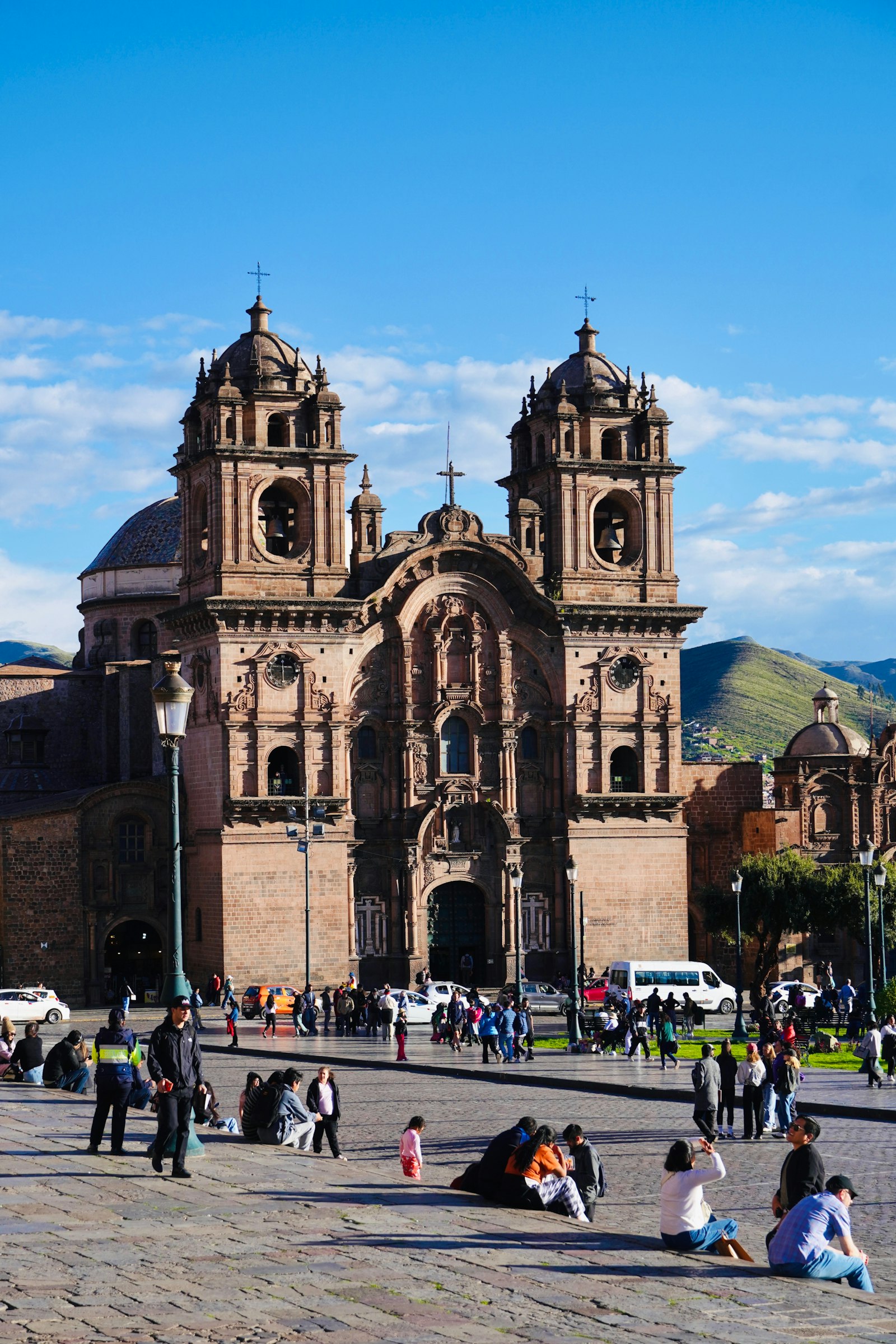
Cusco is the ancient Inca capital high in the Andes: Spanish churches built on Inca stonework, red-tiled roofs spilling down the hills, and the gateway to Machu Picchu. Sitting at 3,400 metres, it also asks your body to adjust. Here is how to stay online in Cusco, and arrive ready for the altitude.
Yes. A Peru eSIM installed before you fly is online the moment you land at CUZ, with solid 4G across Cusco. It is genuinely useful here: you can book timed Machu Picchu tickets and PeruRail or IncaRail trains on the move, check weather, and message your guide. Coverage is good in the city and towns but thins on high treks and passes, so download maps and tickets first. For a week around Cusco and the Sacred Valley, 5 to 10 GB is comfortable.
Staying online in the old Inca capital
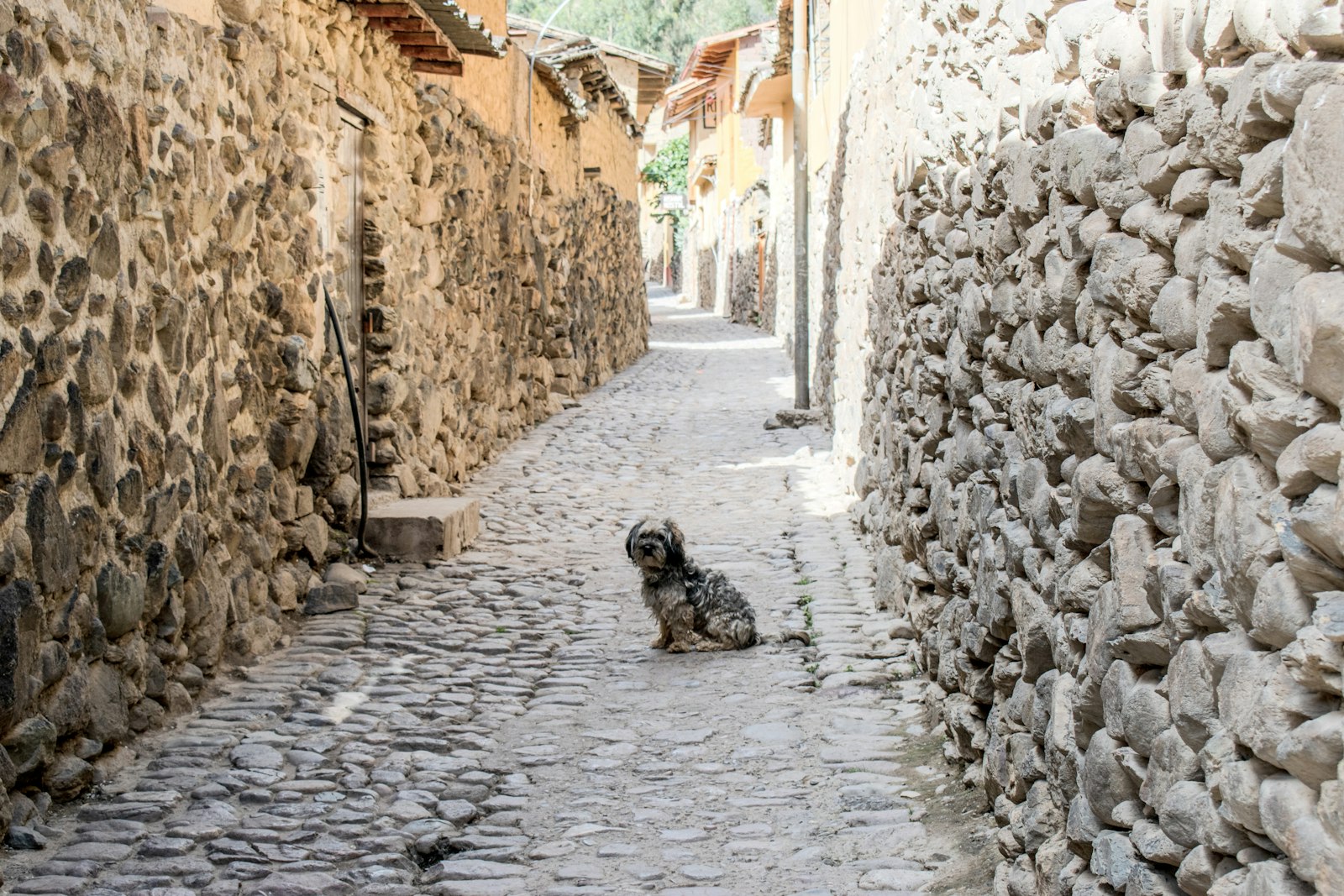
Cusco is a living layer cake of history: Inca walls so precise you cannot slip a knife between the stones, colonial arcades around the Plaza de Armas, and the artsy lanes of San Blas climbing the hillside. A live connection ties a complex trip together, from holding your Machu Picchu slot to arranging a Sacred Valley driver and translating a market stall in Quechua-flavoured Spanish.

Arriving at 3,400 metres: the altitude
Cusco sits higher than many people have ever been, and altitude affects almost everyone a little. Mild soroche (altitude sickness) can bring headache, breathlessness, and poor sleep in the first day or two. The widely followed local wisdom is simple: take your first day easy, drink plenty of water, go gentle on alcohol and heavy meals, and let your body adjust before any big hike. Many travellers sip coca tea (mate de coca), a traditional Andean remedy offered everywhere.
One genuinely smart move: consider spending your first nights lower in the Sacred Valley (around 2,800 m) and saving Cusco's higher altitude for later. This is general travel information, not medical advice; if you have heart or lung conditions, are pregnant, or feel seriously unwell, speak to a doctor about altitude before and during your trip. Being online makes it easy to find a clinic or pharmacy fast if you need one.
How to get connected in Cusco
Cusco has reliable 4G across the city and the main Sacred Valley towns on Peru's networks Claro, Movistar, Entel, and Bitel. Claro and Movistar tend to have the broadest reach in the region. A travel eSIM roams onto them automatically, so you skip the local SIM, which is sold with passport registration.
Choose a Peru eSIM and pay in crypto, with no card and no ID.
Scan the QR from your dashboard while you still have Wi-Fi at home.
It activates at Cusco airport (CUZ), ready to sort a taxi and check into your first night.
Machu Picchu and the Sacred Valley
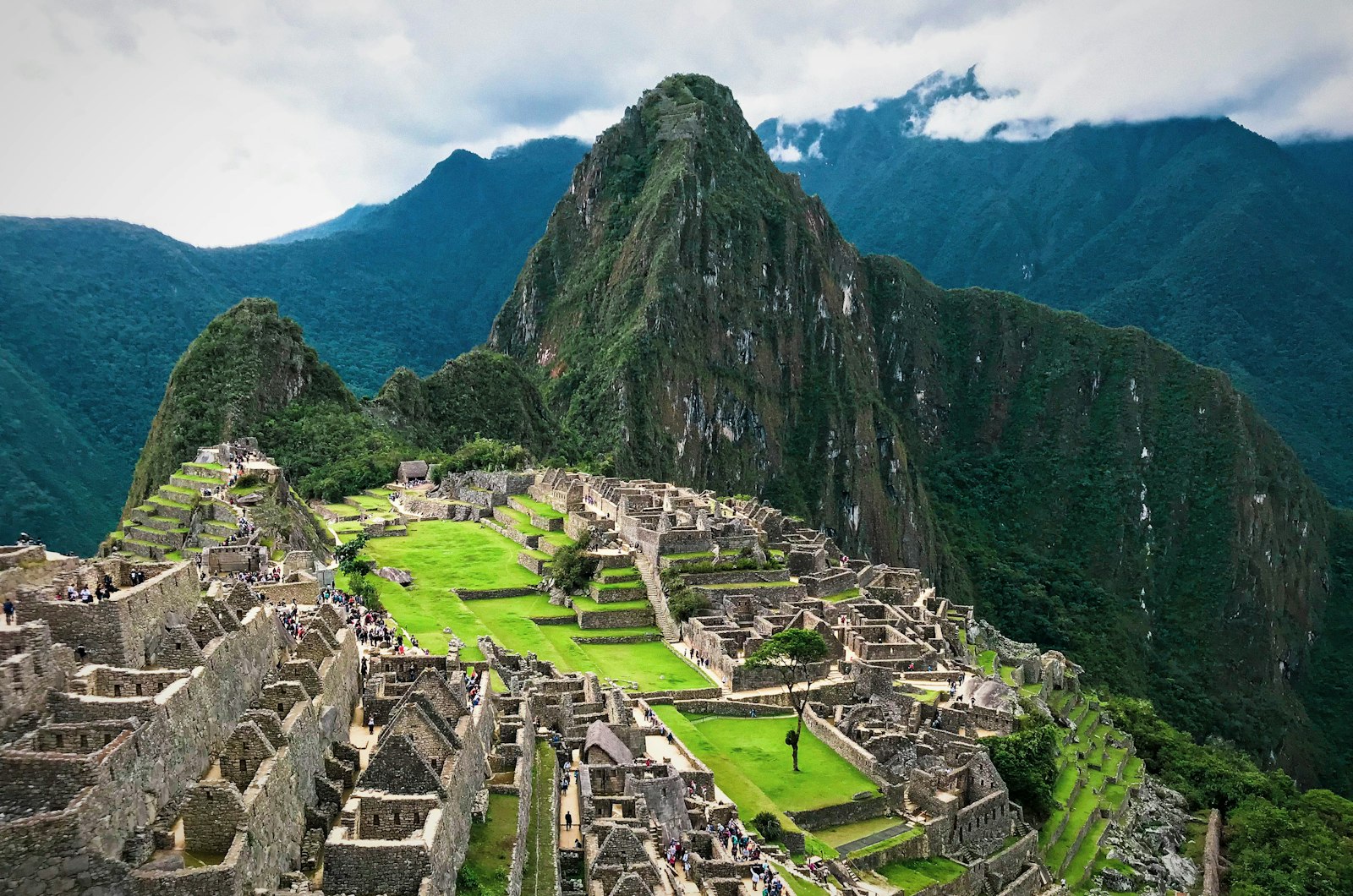
This is why most people come, and it needs planning: a Peru eSIM keeps you booked and routed across the region, though signal drops on the treks and around the ruins, so download everything first. The three big ones:
Timed entry tickets and PeruRail or IncaRail trains sell out in season. Book both well ahead and hold them on your phone.
Pisac and Ollantaytambo ruins, markets, and a lower altitude that helps you acclimatise. A perfect first stop.
Vinicunca's striped slopes at over 5,000 m. Stunning, but only after you have acclimatised in Cusco.
Where to base yourself around Cusco
Central and convenient, arty and steep, or lower and gentler on the lungs.
Centro Historico
Around the Plaza de Armas: the most central base, close to sights, restaurants, and tour offices. Beautiful but busiest and steepest.
San Blas
The bohemian artists' quarter up the hill, with viewpoints, cafes, and galleries. Charming, if a climb at altitude.
San Pedro
Around the lively central market, more local and better value, a short walk from the plaza. Down-to-earth and handy.
The Sacred Valley
Towns like Ollantaytambo and Urubamba sit lower (around 2,800 m), which helps acclimatisation and sits closer to the train for Machu Picchu.
Getting around Cusco and beyond
The historic centre is walkable, if steep and breathless at first. Around town, taxis are cheap (agree the fare first, as meters are rare), and shared colectivos run to Sacred Valley towns. For Machu Picchu, it is a train from Ollantaytambo or Poroy with PeruRail or IncaRail, booked online. A live connection lets you compare train times, hold tickets, and call a cab after dark.
Practical tips
Go slow on day one, hydrate, and consider a lower Sacred Valley night before big hikes.
Peru uses the sol. Cards work in hotels and tourist spots, but markets, taxis, and small towns want cash.
Entry tickets and trains are capped and sell out in high season. Reserve weeks ahead.
Best time to visit Cusco
Dry season, May-Sep
Clear, sunny days and cold nights. The best time for Machu Picchu and trekking, and the busiest.
June
Peak sun plus the Inti Raymi sun festival. Spectacular, but book everything far ahead.
Shoulder, Apr & Oct
Greener and quieter either side of the dry season, with a decent chance of good weather.
Wet season, Nov-Mar
Frequent afternoon rain and cloud; the Inca Trail closes each February for maintenance.
Why travellers choose SimVala
4.8from 39,452 verified reviews“Just needed a second number for a short period. It was easy enough to set up and has worked fine.”
“Tried the eSIM for the first time. Setup was simple and the connection was stable during my trip.”
“Needed an eSIM for a few days in Albania. Installed it at the airport and it worked right away.”
“I only needed data for my holiday, so this was much easier than buying a local SIM.”
“Got a virtual number for some work calls. Setup was easy and calls have been fine so far.”
“Used the eSIM in Greece last week. No setup problems, which was honestly what I wanted.”
“Bought it before flying to Turkey. Had data as soon as I landed. Very convenient.”
“First time using an eSIM. I was expecting it to be complicated, but it took maybe five minutes.”
“Needed a second number for work. So far it has been doing exactly what I needed.”
Cusco eSIM & travel FAQ
Does an eSIM work in Cusco?+
Yes. A Peru eSIM roams onto the local networks (Claro, Movistar, Entel, Bitel) and gives you solid 4G across Cusco and the main Sacred Valley towns. It activates the moment you land at Cusco airport (CUZ).
Will I have signal at Machu Picchu and on the treks?+
Patchy. There is some coverage in Aguas Calientes (Machu Picchu Pueblo) and the valley towns, but signal drops around the ruins and on high treks like the Inca Trail and Rainbow Mountain. Download tickets, maps, and directions before you set off.
How should I handle the altitude in Cusco?+
Cusco sits at about 3,400 m, so take your first day easy, drink water, go light on alcohol, and let your body adjust before big hikes. Many travellers drink coca tea. This is general information, not medical advice; if you have health conditions or feel very unwell, see a doctor. Staying online helps you find a clinic quickly if needed.
How much data do I need in Cusco?+
For a week around Cusco and the Sacred Valley with maps, bookings, and messaging, 5 to 10 GB is comfortable. You can top up any time.
Do I need to book Machu Picchu in advance?+
Yes. Both the timed entry tickets and the PeruRail or IncaRail trains are capped and sell out in high season, so book them weeks ahead. A live connection lets you hold and show the tickets on your phone.
Will my eSIM work at Cusco airport?+
Yes. It activates at Alejandro Velasco Astete (CUZ), so you are online to arrange a taxi and check in the moment you land.
When is the best time to visit Cusco?+
The dry season from May to September is best for Machu Picchu and trekking, with clear days and cold nights. The wet season (November to March) brings afternoon rain, and the Inca Trail closes each February.
Ready for Cusco?
Install a Peru eSIM before you fly and land already online, paid in crypto with no ID.