Nepal eSIM
AsiaGet a Nepal eSIM and connect the moment you land. Buy a prepaid data plan, scan the QR, and you are online in minutes, with no roaming bill and no local SIM to find. Pay in crypto with no ID to buy. Plans start at $1.99.
- Instant delivery to your dashboard
- Prepaid, no contract, no auto-charge
- Works on any eSIM-ready phone
- Paid in crypto, no card or ID to buy
Nepal eSIM at a glance
Live prices, updated September 2026- Price
- From $1.99
- Data plans
- 1 GB to Unlimited
- Validity
- 7 to 30 days
- Networks
- Ncell, Nepal Telecom
- 5G
- Yes, where available
- Setup
- Scan a QR, ~2 min
- Payment
- Crypto
- ID to buy
- None
Choose your plan
Prices are in USD and payable in crypto. No contract and no auto-renewal, and any balance you do not use stays on your account for next time.
Turning on roaming can cost $10 or more a day. A whole Nepal trip starts at $1.99.
See the plansWhy an eSIM for Nepal
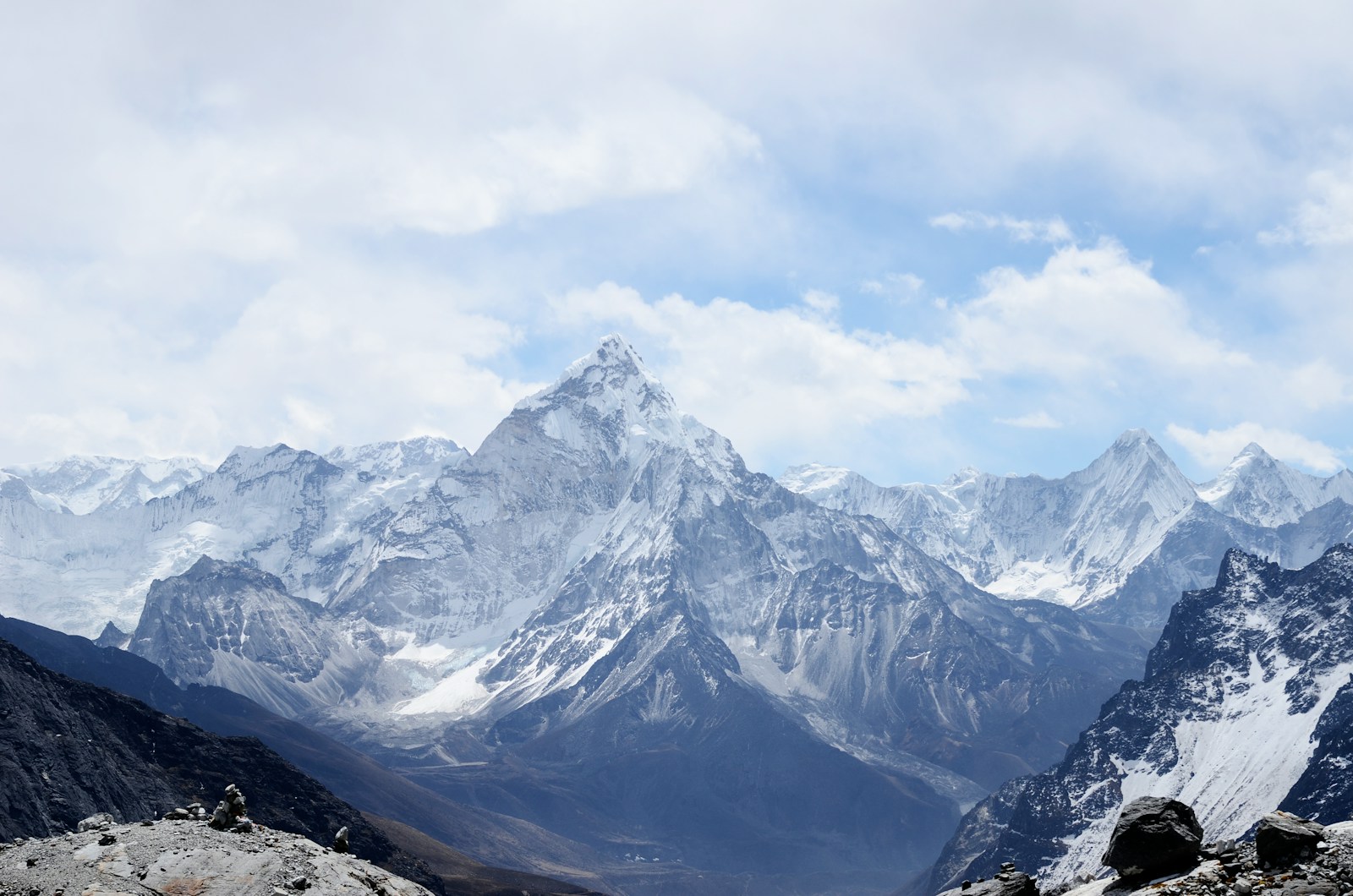
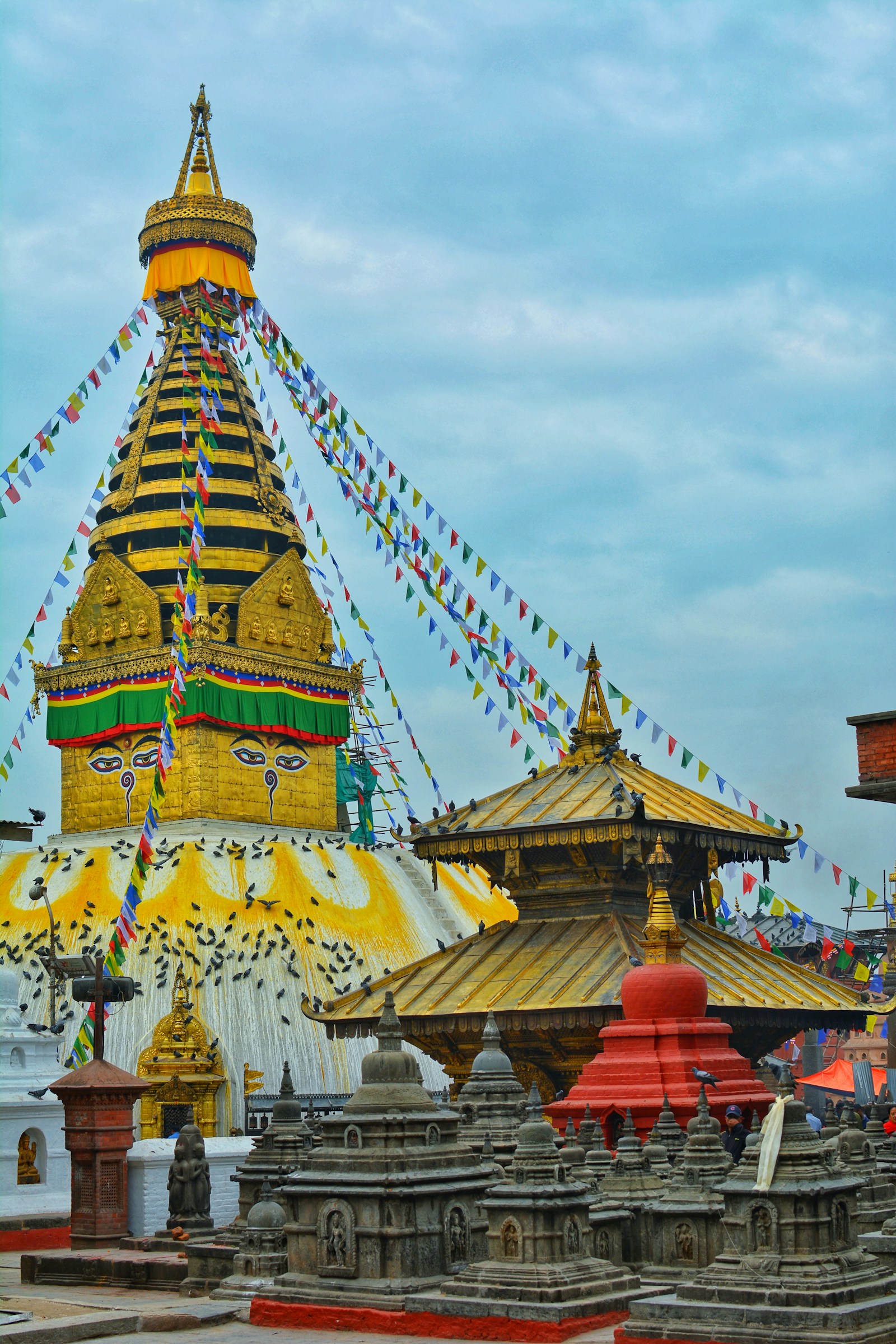
Nepal is the roof of the world: eight of the ten highest peaks, including Everest, and the legendary trekking trails that wind beneath them, from Everest Base Camp to the Annapurna Circuit. Down in the valley, Kathmandu is a maze of golden stupas, temples, and prayer flags. An eSIM keeps you online for maps, teahouse bookings, and translation the moment you land.
Coverage is good in the cities and surprisingly far up the popular trails, but it fades at altitude, so the trick is planning for both. You buy the data before you fly, pay from your crypto balance with no ID, and keep your home number on its own SIM for calls and codes.
- Fast 4G in Kathmandu and Pokhara, and reaching up many trails.
- Honest about the high passes and remote treks, where signal drops.
- Online on arrival at Kathmandu's Tribhuvan Airport.
- Pay in crypto with no ID, and keep your home number.
Is a Nepal eSIM right for you?
Whoever you are travelling as, the setup is the same: buy, scan, connect. Here is what it means for you.
Nepal eSIM vs a local SIM vs roaming
Coverage follows the towns and trails here, good there, gone at altitude, on every option. Here is how the choices otherwise compare.
SimVala eSIM
- Ready before you flyYes
- ID and photo to buyNo
- Online the moment you landYes
- City and lower-trail coverageGood
- High passes and remote treksThin, all networks
- Pay in cryptoYes
- Typical cost, 1 weekA few dollars
Nepali tourist SIM
- Ready before you flyNo, shop on arrival
- ID and photo to buyYes, passport and photo
- Online the moment you landAfter the shop
- City and lower-trail coverageGood
- High passes and remote treksThin, all networks
- Pay in cryptoNo
- Typical cost, 1 weekAround 500 to 1,000 NPR
Home roaming
- Ready before you flyYes, but pricey
- ID and photo to buyNo
- Online the moment you landYes
- City and lower-trail coverageGood
- High passes and remote treksThin, all networks
- Pay in cryptoNo
- Typical cost, 1 weekOften 10+ dollars a day
Nepali SIMs require a passport and a passport photo at purchase. An eSIM skips that. High-altitude gaps are geography, not a provider difference. Costs are rough guides, not quotes.
Coverage and networks in Nepal
Depending on the plan, your eSIM connects to one of Nepal's main networks, Ncell or Nepal Telecom (NTC). Coverage is good across Kathmandu, Pokhara, and the towns, and reaches surprisingly far up the popular trekking trails, but it fades at high altitude, on the passes, and in the remote valleys. NTC often reaches furthest in the mountains, while Ncell is faster in the cities.
Expect strong eSIM coverage in Kathmandu, Pokhara, Namche Bazaar, with data across the rest of Nepal. Signal follows the local network, so it is strongest in cities and along main routes.
Your eSIM roams on a major local network:
Coverage by area
Good, fast coverage across the two main cities and the valley towns like Bhaktapur, so maps and bookings work well where most trips begin.
Signal reaches surprisingly far up the Everest and Annapurna routes, following the villages, with gaps between them. NTC reaches furthest.
Signal fades or vanishes at altitude, on the passes, and in remote valleys, on any network. Download offline maps and use teahouse wifi.
How much data do you need in Nepal?
Whether your Nepal trip is 7 days, 2 weeks, or a month, pick the data size to match. Not sure? Slide your trip length below and we will suggest a plan.
A Nepal trip leans on maps, teahouse and trek bookings, translation from Nepali, weather and altitude apps, and photos to the cloud. For a one to two week trip, 5 to 10 GB suits most people, and you can top up any time. Remember data does not help where there is no signal, which is common at altitude.
Estimate your data for Nepal
Social, photos, some video
An estimate to guide you, not a limit. Wi-Fi at your hotel covers a lot, and you can top up any time, so it is fine to start smaller.
Typical usage per hour
Using an eSIM in Nepal's top cities
One Nepal eSIM covers all of these. Here is what to expect, city by city.
eSIM in Kathmandu
Fast 4G across the capital, from Thamel and Durbar Square to the great stupas of Boudhanath and Swayambhunath. Your eSIM keeps maps, ride-hailing, and translation live as you navigate the busy, tangled old city.
eSIM in Pokhara
Reliable coverage across the lakeside town beneath the Annapurnas, the launch point for treks and paragliding. Handy for trek permits, weather, and boat and flight bookings.
eSIM in The Everest trail
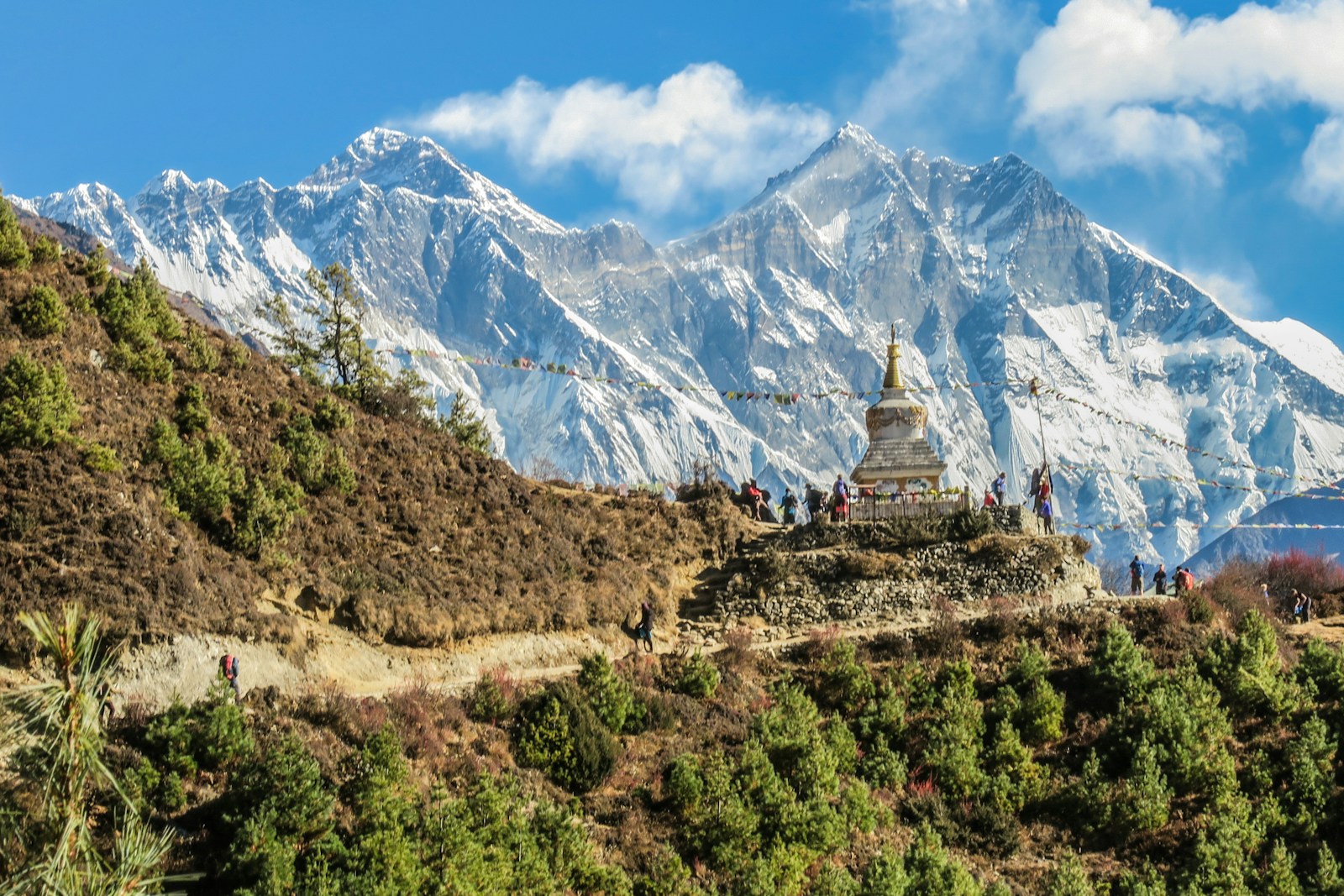
Patchier but surprisingly present up to Namche Bazaar and beyond, thinning toward Base Camp and the high passes. Download offline maps, and expect to buy trail wifi at the teahouses higher up.
Yes, you can call and text in Nepal
Your eSIM is internet. So every calling and messaging app works, just like at home. No new apps to learn, nothing to set up.
Message anyone
WhatsApp, Viber, Messenger all run over your data.
Call home for free
Voice and video on WhatsApp, FaceTime, or Messenger, no call charges.
Need a real number?
A data eSIM has no number of its own. Add a virtual number for codes and a local line.
Grab a Nepal number before you fly
Get login codes and a real line to give out, all in your dashboard. Paid in crypto, no ID.
Pay for your Nepal eSIM in crypto
This is where SimVala is different. There is no card and no ID to buy. Top up a balance with any of nine coins, then buy your Nepal plan from it. Monero is accepted for the strongest privacy, and your QR lands in your dashboard the moment payment confirms.
 Bitcoin
 Monero
 Ethereum
 Tether
 USD Coin
 Solana
 BNB
BNB TRON
TRON Polygon
Pay by QR in one scan
No card details, ever. Just scan and send.
- 1. Pick your coin and amountWe show a payment address and a QR code.
- 2. Scan and send from your walletThe quote holds for 15 minutes, no fee maths.
- 3. Balance ready, buy your planYour eSIM QR lands in your dashboard right away.
Set up your Nepal eSIM in about two minutes
No SIM to pop out, nothing to post. It works the same on iPhone and Android. Here is all it takes.
- 1Buy your plan
Pick a plan above and pay from your crypto balance. A few taps and it is done.
- 2Open your QR code
The moment your order completes, your eSIM QR appears in your dashboard.
- 3Add the eSIM in Settings
iPhone: Settings, then Cellular, then Add eSIM. Android: Settings, then Network, then Add eSIM. Scan the QR.
- 4Turn it on and land online
Switch the line on when you land at Kathmandu or Pokhara, and you are online in seconds.
This is your eSIM QR. You scan it once, and your Nepal line turns on. That is the whole install.
Will it work on your phone?
Most phones from the last few years support eSIM. Not sure? Scan your device in one tap.
Good to know
- •Coverage is good in Kathmandu and Pokhara and reaches surprisingly far up popular trails like Everest Base Camp and Annapurna, but it fades at altitude and on the high passes, on any network.
- •NTC often reaches furthest in the mountains, so it is a good bet for trekkers, while Ncell tends to be faster in the cities.
- •On big treks, many lodges sell local trail wifi (like Everest Link), and offline maps are essential for the sections with no signal.
- •The eSIM carries data. Keep your home SIM active for calls and codes.
Popular in Nepal
Why travellers choose SimVala
“Did Everest Base Camp. Honestly amazed how far the signal reached up the trail, though it dropped high up, exactly as the page said. Offline maps and teahouse wifi covered the rest. Paid in crypto, no ID.”
“Kathmandu temples then Pokhara. Fast in both, and it made getting around and booking treks easy. Loved skipping the SIM shop after a long flight.”
“Annapurna Circuit. Coverage came and went with the villages, as expected on a big trek. Where there was signal it worked great. Kept my number for bank codes.”
Visiting more of Asia?
If Nepal is one stop of a bigger trip, one regional plan covers the whole area on a single eSIM.
eSIM in Nepal: FAQ
Does my phone support eSIM?+
Most phones from the last few years do, including recent iPhone, Samsung Galaxy, and Google Pixel models.
How do I pay?+
In crypto only: Bitcoin, Monero, USDT, USDC, Solana, and more.
When does my plan start?+
Your plan validity begins when you install and activate the eSIM, not when you buy it.
Will an eSIM work in Nepal?+
Yes, as long as your phone supports eSIM and is carrier unlocked. The eSIM connects to a local network in Nepal and gives you data the moment you arrive.
How much data do I need in Nepal?+
It depends on what you do. Maps and messaging use very little, while video and hotspotting use much more. For a typical one to two week trip, 3 to 5 GB suits most travelers, and you can top up any time.
Can I keep my phone number in Nepal?+
Yes. Your home number stays on your physical SIM for calls and codes, while the eSIM carries local data. Both work at once on a dual-SIM phone.
Can I buy my eSIM before I travel?+
Yes, and you should. Buy and install it before you fly, then switch the line on when you land in Nepal. Your plan's days only start counting when you activate it, not when you buy.
Does the plan expire?+
Each plan runs for a set number of days once you activate it, shown on the plan. Any balance you have not spent stays on your account for your next trip, so nothing is wasted.
Can I use my eSIM as a personal hotspot?+
On most plans, yes, so you can share your connection with a laptop or a friend. Tethering uses more data, so pick a larger plan if you rely on it.
Will an eSIM work on the Everest Base Camp trek?+
Better than many expect. Coverage reaches surprisingly far up the trail, through Namche Bazaar and several villages, but it thins toward Base Camp and fades at altitude and on the high passes, on any network. Download offline maps, and expect to buy local trail wifi (like Everest Link) at the teahouses higher up. NTC tends to reach furthest.
Which network is best for trekking in Nepal?+
Nepal Telecom (NTC) generally reaches the furthest into the mountains, so it is the better bet on the trails, while Ncell tends to be faster in Kathmandu and Pokhara. Your plan connects to one of these.
Do I need a passport to get connected in Nepal?+
Not with an eSIM. Nepali SIM shops require your passport and a passport photo to register a tourist SIM. An eSIM sidesteps that entirely, with no ID and payment in crypto, so you are online the moment you land.
Is coverage good in Kathmandu and Pokhara?+
Yes. Both cities have good, fast 4G, so maps, ride-hailing, and messaging all work well where you will spend time before and after a trek.
Is there an unlimited data plan for Nepal?+
Yes, an Unlimited 30-day plan, good for a longer trip or heavy use. Sized plans are the cheaper pick if you use less, and you can top up any time. Remember no plan gives you signal where there is none, which is common at altitude.
More for Nepal
Ready for Nepal?
Pay in crypto, scan the QR, and land connected. No card, no ID to buy. Set it up before you fly and you are online the second you arrive.